The objective of this report is to delineate between price formation driven by short-term speculative forces and valuation anchored in underlying supply-demand fundamentals. This distinction is particularly relevant in the current context involving the conflict in the Middle East between US, Israel and Iran, and where recent oil price movements reflect a divergence between political signaling and structural market realities.
Following the announcement of a ceasefire between the United States and Iran—tacitly accepted by Israel—Brent crude prices declined sharply from approximately USD 110/barrel to the USD 90-92 range within hours. This development effectively paused a six-week period of heightened geopolitical tension linked to the US-Israel “maximum pressure” campaign against Iran, which had significantly disrupted energy markets. While markets have responded positively to this political signal, the sustainability of this reaction remains uncertain, given both the supply of oil dynamics and the fragile and contested nature of the ceasefire framework itself.
Diverging interpretations between Washington and Tehran, particularly regarding the scope of the ceasefire (e.g., inclusion of Hezbollah, or not), combined with ongoing military activity, including Iranian strikes and intensified Israeli operations in Lebanon, underscore the limited durability of the current stabilization narrative. The announcement of upcoming negotiations in Islamabad, under Pakistani mediation, has contributed to keeping prices below three-digit levels; however, this appears increasingly driven by sentiment rather than structural alignment.
Notably, since the ceasefire announcement, prices have already begun to trend upward again, reaching approximately USD 97-98/barrel at the time of writing. This gradual increase suggests that market participants are reassessing the credibility of the ceasefire and incorporating a higher geopolitical risk premium. However, this represents only part of the broader picture.
From a structural market perspective, current price levels are unlikely to remain within the USD 90-100 range over the upcoming weeks (or even months), irrespective of short-term diplomatic outcomes. A closer examination of underlying supply-demand dynamics indicates that equilibrium pricing is more consistent with three-digit levels for several well-documented reasons:
First, the Strait of Hormuz remains a critical chokepoint, accounting for approximately 20% of global oil and LNG exports. During the conflict, Iranian control and disruption of the strait effectively constrained flows, removing a significant volume of supply from the market. While some shipments had already cleared the strait prior to escalation, others were delayed or blocked, resulting in a permanent loss of supply for the affected period. Even with a partial reopening, it is unlikely that flows will immediately return to full capacity. Moreover, the operational status of the strait remains a point of contention within the ceasefire framework. Proposals ranging from joint US-Iran oversight to exclusive Iranian control, potentially including transit fees, introduce additional uncertainty. As long as the strait does not operate freely at its baseline capacity of approximately 20 million barrels/day, the market will continue to experience structural supply constraints.
Second, demand-side dynamics remain robust. The conflict did not materially reduce global demand, particularly given the uninterrupted operation of refineries outside the Middle East. However, supply disruptions have created gaps in downstream inventories, particularly for refined products such as diesel and jet fuel. As delayed shipments translate into inventory drawdowns in destination markets, a subsequent restocking cycle will likely intensify demand once flows resume. This implies a demand rebound that may exceed the below full capacity disruption levels in the short to medium term. The ceasefire cannot bring back that lost capacity on the supply side and it cannot make the gap look like oil flows in March operated as usual.
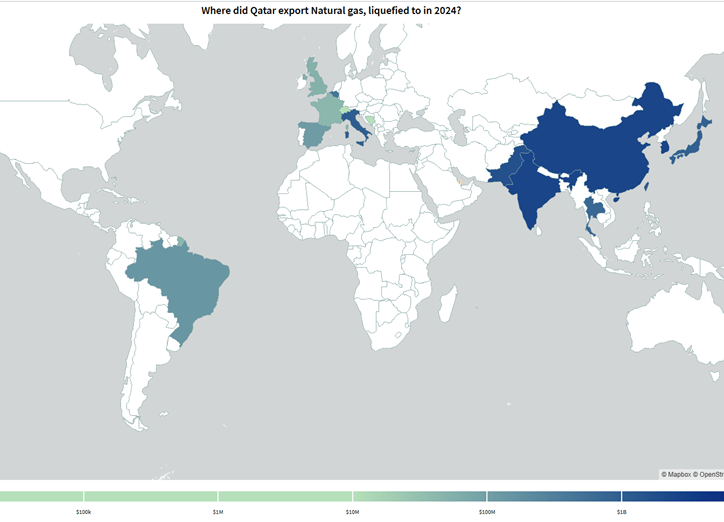
Third, supply recovery will be neither immediate nor complete. Upstream production across Gulf countries was either reduced or temporarily halted during the conflict, as export bottlenecks diminished the economic rationale for maintaining pre-conflict output levels. Restarting production is inherently time-intensive, potentially requiring weeks or months to normalize. In the LNG segment, recovery timelines may be even more extended. Qatar, the world’s second-largest LNG producer, has reportedly sustained infrastructure damage, which will further delay the restoration of full production and export capacity. Similarly, refineries outside the region have adjusted throughput in response to reduced crude availability, and will require time to ramp back up once supply normalizes.
Taken together, these factors point to a structural imbalance: demand is strengthening, driven by inventory replenishment, while supply remains constrained due to both logistical bottlenecks and production recovery lags. This divergence suggests that current pricing, influenced by short-term political developments, underestimates the underlying fundamentals.
Looking ahead, we assess that crude oil prices are likely to move sustainably into three-digit territory, not only irrespective of the outcomes of the Islamabad negotiations, but potentially extending into the second half of the year. The key driver will be the time required for supply chains to normalize and for production to not only recover, but also catch up with resilient demand. In this context, the central question is not whether prices will increase, but how quickly markets will realign with structural realities once political signaling loses its immediate influence.